

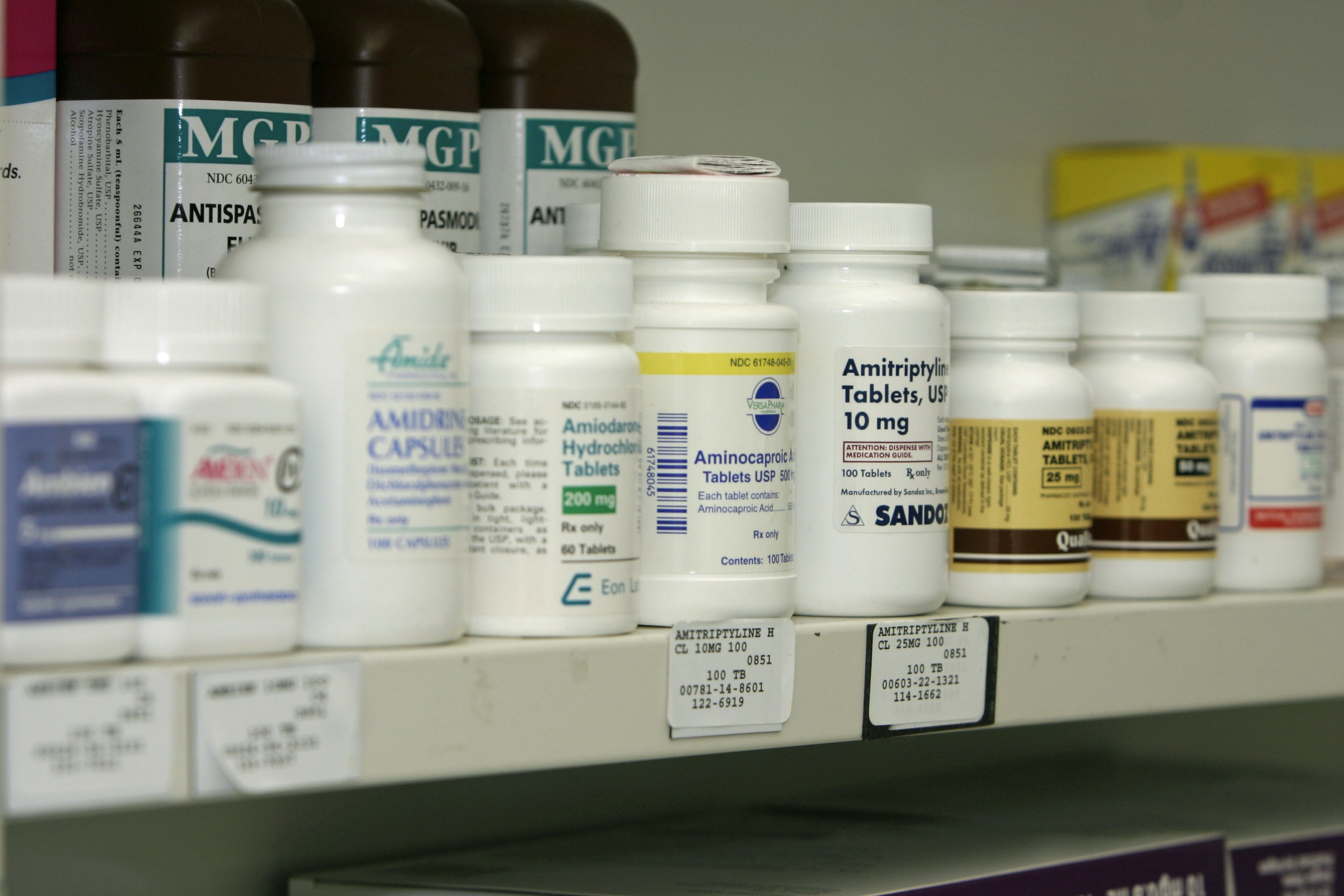
Introduction to Medicine Storage
Storing medicines properly at home is crucial for maintaining their effectiveness and ensuring safety for all household members. The correct storage of medications involves many considerations, including temperature, humidity, accessibility, and safeguarding against accidental ingestion by children and pets. Incorrect storage can lead to several issues, such as a decrease in the potency of the drugs or potential accidents arising from their misuse.
One of the significant risks of inappropriate medicine storage is decreased effectiveness. Many medications have specific storage requirements that, when not adhered to, can lead to chemical degradation. For example, certain medications require refrigeration, while others must be kept in a cool, dry place. By failing to meet these conditions, individuals may inadvertently compromise the intended therapeutic benefits of their medications.
Furthermore, the hazards of improper storage extend beyond efficacy; they significantly impact safety as well. Medications left within easy reach of children, or in unsecured areas, increase the risk of accidental ingestion. This scenario could lead to serious health consequences and, in some cases, become life-threatening. Pets are also vulnerable to curiosity and might ingest medications intended for human use without supervision.
Given these pressing concerns, it is evident that following medicine storage guidelines is vital. Not only does it ensure that medications remain potent, but it also protects the health and wellbeing of both children and pets. As we delve into the best practices for safe medicine storage, it is essential to understand the implications of neglecting proper storage protocols. Addressing these issues will foster a safer environment, promote effective medication use, and ultimately contribute to better health outcomes.
Understanding Medicine Labels
Medicine labels provide essential information that aids in the proper storage and usage of pharmaceuticals. Each label typically contains critical data that can help prevent potential mishaps and ensure the medication’s effectiveness. The first aspect to consider is the storage instructions, which inform users about the optimal conditions for keeping the medicine. Some medications may require refrigeration, while others need to be stored in a cool, dry place, away from direct sunlight.
Another important component is the expiry date. It is crucial to monitor this date as consuming outdated medications can lead to adverse effects or reduced efficacy. Any medicine that has exceeded its expiry date should be discarded promptly according to local regulations. Understanding these timelines can help you maintain a safe medicine inventory and ensure you are using viable products.
Additionally, labels often include specific storage conditions, which are vital for certain medications. For instance, some may need to be kept in their original packaging or away from moisture and heat. Failure to adhere to these guidelines could render the medication ineffective or harmful. By familiarizing yourself with the particular requirements for each medicine, you can better safeguard those who rely on these pharmaceuticals, particularly children and older adults who might be at greater risk.
In summation, a thorough understanding of medicine labels cannot be overstated. Taking the time to read and comprehend the information provided helps to enhance safety and efficacy, allowing for organized storage and proper usage of medications within the home. Engaging with these details encourages a greater level of responsibility in healthcare management for both individuals and families.
Ideal Storage Conditions for Medicines
Proper storage conditions significantly influence the efficacy and safety of medications. Most pharmaceutical products require a cool and dry environment for optimal preservation. Generally, a temperature range of 68°F to 77°F (20°C to 25°C) is considered ideal. Avoiding extremes of heat and cold is essential, as high temperatures can lead to the degradation of active ingredients, while freezing can alter formulations.
Humidity is another crucial factor in medicine storage. Excess moisture can compromise the integrity of tablets, capsules, and powders, leading to clumping or dissolution prior to use. Medications are best stored in a desiccated environment, away from humid areas such as bathrooms and kitchens. Instead, placing them in a dry location, like a bedroom drawer or a designated shelf in a closet, is recommended.
Additionally, exposure to light can negatively impact certain medications. Some compounds are sensitive to UV rays, which can cause chemical changes over time. It is advisable to store medicines in their original containers, which are often designed to protect against light exposure. Dark cupboard spaces are preferable when it comes to safeguarding medications from potential light-induced effects.
While most medications conform to the aforementioned guidelines, exceptions exist. Certain specialized medications, such as insulin or biologic treatments, require refrigeration, typically maintained between 36°F and 46°F (2°C and 8°C). Following the specific storage instructions on the medication label is critical, as these nuances can significantly affect their efficacy.
In summary, adhering to recommended storage conditions is vital for maintaining the potency and effectiveness of medications. Being mindful of temperature, humidity, and light exposure will help ensure that medicines remain safe and effective over their intended shelf life.
Keeping Medicines Out of Reach
A critical aspect of ensuring safety in a household is the proper storage of medicines, particularly in homes with children and pets. Accidental ingestion of medications can lead to serious health risks, making it imperative to implement effective strategies for keeping all forms of medication securely out of reach.
The first recommendation is to utilize childproof containers for all medications. These containers are specifically designed to deter children from accessing potentially harmful substances. It is essential for caregivers to also reinforce the habit of closing these containers securely after each use, as this adds an additional layer of protection.
Moreover, storing medicines in locked cabinets or drawers can significantly enhance safety. This storage method not only prevents children from reaching the medications but also serves as a barrier for curious pets. Selecting a high location for these cabinets further diminishes the chances of unintended access. Child safety locks can be a valuable addition to any cabinet containing pharmaceuticals, providing an extra measure of security.
In addition to conventional storage methods, it is advisable to keep medicines in their original packaging. This reduces the risk of confusion over dosages and helps ensure that accompanying safety information is readily available. Displaying clear labels and instructions on these medicines can serve as a constant reminder of the potential hazards associated with their consumption.
It is also worth noting that regular audits of medicine stock can eliminate unnecessary medications that may no longer be required, thus reducing clutter and the risk of accidental ingestion. To summarize, adopting these crucial strategies—using childproof containers, locked cabinets, and maintaining original packaging—greatly contributes to a safer environment for both children and pets regarding medicine storage.
Organizing Your Medicine Cabinet
Efficient organization of a medicine cabinet is crucial for maintaining both safety and accessibility in the home. A well-structured cabinet not only helps in managing medications but also minimizes the risk of accidental misuse or waste. To start, consider categorizing medications into distinct groups based on their type. This could include over-the-counter medications, prescription drugs, and first aid supplies. By grouping similar items together, you streamline the process of locating needed medications and ensure that they can be easily accessed in times of need.
Utilizing labeled bins is an effective method for organizing these categories within your cabinet. By investing in transparent, stackable bins or containers that are clearly labeled, you can easily see what is stored where. For example, a bin labeled ‘Pain Relievers’ could hold ibuprofen and acetaminophen, while another labeled ‘Cold and Allergy’ could contain decongestants and antihistamines. This simple visual cue not only saves time but also ensures that all family members are aware of the specific locations of each type of medication.
In addition to categories and bins, it is advisable to establish a regular inventory check. Keeping track of expiration dates is essential; expired medications should be safely disposed of to prevent accidental ingestion. Each time you restock or organize, take a moment to review what you have and discard any items that are no longer safe to use. This practice ensures that your cabinet remains clutter-free and that users do not reach for ineffective or dangerous medications.
Lastly, it is important to keep potentially harmful medications out of reach of children and pets. High shelves or locked cabinets can provide an additional layer of safety. Implementing these organizational strategies will not only enhance the functionality of your medicine cabinet but also contribute to a safer home environment.
What to Do with Expired Medicines
Expired medications present significant health risks if kept in the home, as they may become ineffective or even harmful over time. Thus, it is essential to follow proper procedures for disposing of expired medicines to ensure the safety of all household members. The first step is to routinely check your medicine cabinet for any medications that have surpassed their expiration dates. Doing this every few months can help in managing your stock and ensuring that only safe, effective medications are readily available.
Once expired medicines are identified, the next course of action is to dispose of them correctly. Many communities have take-back programs where you can safely return unused or expired medications. These programs are often organized by local pharmacies or health departments and ensure that medications are disposed of in an environmentally friendly manner. It is advisable to check with your local pharmacy or waste management facility for available options.
If a take-back program is not accessible, the FDA recommends a household disposal method to minimize risks. This involves mixing the expired medicine with an undesirable substance, such as dirt, cat litter, or used coffee grounds. This combination should then be placed in a sealed container to prevent leakage and subsequently discarded in the household trash. It’s critical that all personal identifying information on prescription labels is removed or obscured to protect your privacy.
Additionally, flushing medications down the toilet should only be considered for those specifically designated for such disposal—a practice that can potentially harm the water supply if not followed correctly. Proper disposal of expired medicines is not just about decluttering your space; it is a vital step in preventing accidental ingestion and protecting both health and the environment.
Storing Special Medicines Properly
Proper storage of special medicines, including injectables and controlled substances, is vital to ensure their effectiveness and safety. These medications often have unique requirements that deviate from standard storage practices, necessitating specific attention from caregivers and patients alike.
First, it is essential to understand the specific needs of injectables, which usually require refrigeration. Storing them at the recommended temperatures, typically between 2°C and 8°C (36°F and 46°F), helps maintain their potency. It is advisable to use a thermometer to monitor the temperature of your refrigerator, ensuring that it consistently meets these requirements. Additionally, some injectables may be sensitive to light; therefore, keeping them in their original packaging until ready for use is prudent to avoid degradation.
Controlled substances, such as opioids and certain anxiety medications, present additional challenges in storage. Due to their potential for misuse, it is crucial to store them securely. This often means using a locked cabinet or safe, where they remain inaccessible to unauthorized individuals, especially children. It is also important to keep a detailed inventory of controlled substances, noting their quantity and usage. Regularly auditing this inventory can help identify any discrepancies, which may indicate misuse or abuse.
Moreover, pay attention to the expiration dates of all medicines. Special medicines typically have strict expiration guidelines, and utilizing them beyond their stated expiration can compromise their effectiveness. Regularly check your medications and dispose of any that are expired or no longer needed, ideally through a safe disposal program in your community.
In conclusion, special medicines require careful consideration and tailored storage solutions to ensure they remain both effective and safe for use. Following these guidelines will help safeguard these critical medical items, ultimately enriching patient care and safety.
Traveling with Medicines
When traveling, it is essential to ensure that your medications are packed and stored properly to maintain their effectiveness and your health. First and foremost, familiarize yourself with the specific requirements for carrying medications, particularly if crossing international borders. Many countries have regulations regarding the transport of pharmaceuticals, including restrictions on controlled substances.
To begin, always keep your medications in their original packaging. Each medication should ideally retain its prescription label, which provides essential information including dosage, pharmacy details, and your name. This not only ensures that your medicines remain identifiable but can also prevent complications at customs or if you require medical attention while traveling.
When preparing your medicines for travel, consider the appropriate packing techniques. It is advisable to use a dedicated medicine bag that is easily accessible but secure. Additionally, organize medications according to frequency of use, bringing only what is necessary for your journey duration, along with some extras in case of delays. Utilizing a divided pill organizer can be beneficial for quick access on the go.
Temperature control is also crucial, as many medications require a stable environment to maintain their efficacy. For longer trips, especially in extreme weather conditions, consider using insulated containers or cooler packs to protect sensitive medications from heat or cold. Be mindful that some medications may need refrigeration, so check beforehand.
Overall, planning ahead for traveling with medicines involves not only appropriate packing and labeling but also an awareness of temperature constraints. This thoughtful preparation ensures that you have safe and reliable access to your medication throughout your travels, providing peace of mind as you journey.
Regular Review & Maintenance of Your Medicine Supply
To ensure the safety and efficacy of your prescription and over-the-counter medications, it is crucial to integrate a routine for reviewing and maintaining your medicine supply. Regular checks of your medicine cabinet can help identify expired medications, improper storage conditions, and the need to replenish essential items.
Scheduling a periodic review—ideally every three to six months—enables you to systematically check each item in your medicine cabinet. Start by removing all items and categorizing them based on purpose, such as pain relievers, allergy medications, and first aid supplies. This organization not only streamlines your access to necessary medicines but also enhances your capacity to identify outdated or unnecessary items.
Another significant aspect of this review is checking the expiration dates of your medications. Medicines can lose their efficacy after the expiration date, posing potential risks to your health. It is advisable to consult reliable sources or your pharmacist concerning the effectiveness and safety of specific medicines beyond their labeled dates. Discard any expired medications safely by following local disposal regulations, which often include returning them to a pharmacy take-back program.
Furthermore, keeping track of your essential items—like antiseptics, bandages, or allergy medications—ensures that you are prepared for any unexpected need. Utilize a list to note down items that require restocking, and consider maintaining a designated area for frequently used items. This proactive approach to maintaining your medicine supply plays a vital role in preventing health risks and ensures that you can access necessary treatments without delay.
Leave a Reply