

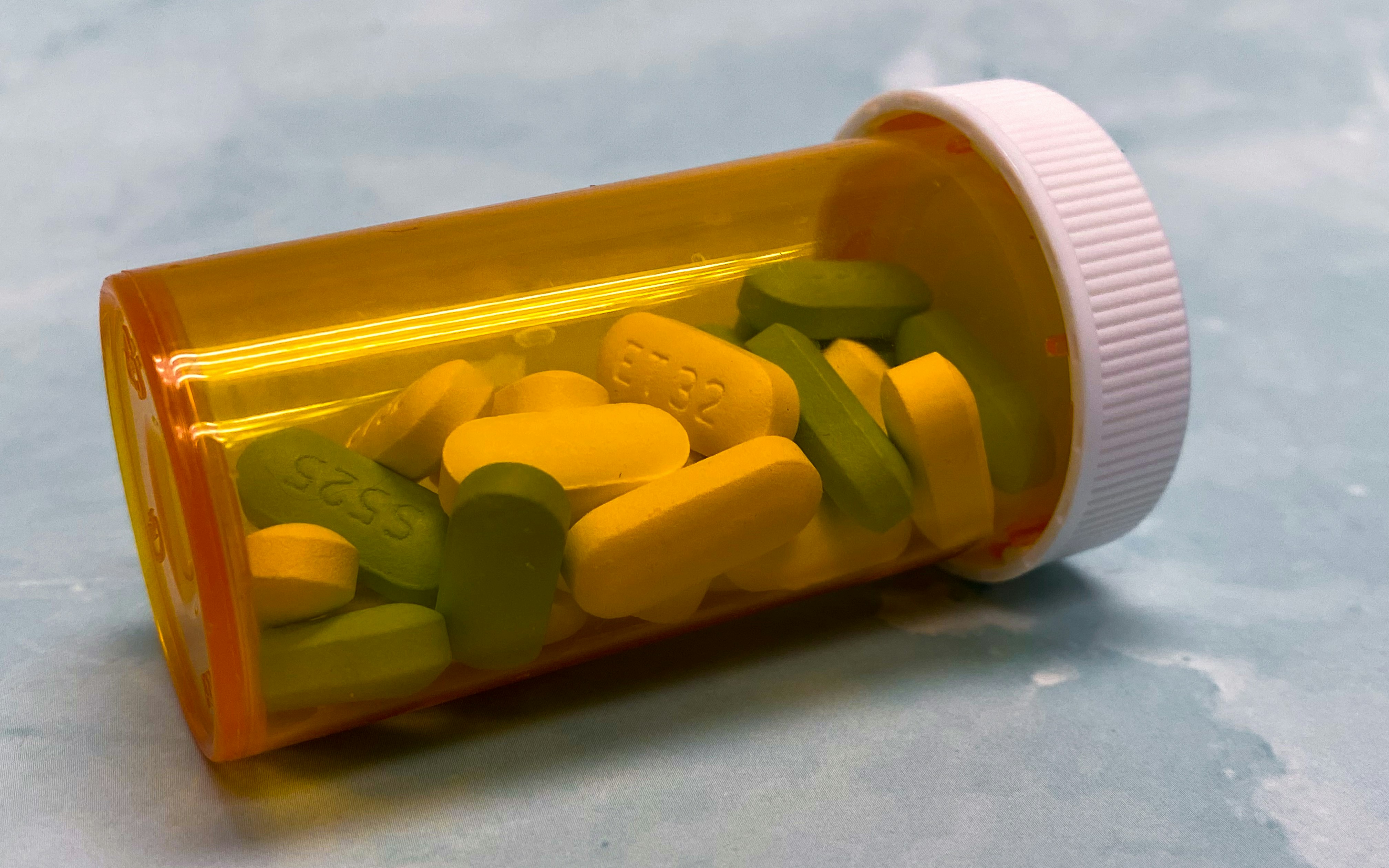
Introduction to Expired Medicines
The topic of expired medicines is one that raises numerous questions and concerns among consumers, healthcare professionals, and regulatory bodies alike. Expiration dates, which are printed on medicine packaging, indicate the date until which the manufacturer guarantees the full potency and safety of the drug. It is important to note that these dates are determined through rigorous stability testing conducted in controlled environments, considering factors such as temperature, light exposure, and humidity.
Many individuals often misunderstand the meaning of these expiration dates, believing that medicines become harmful or ineffective immediately after the specified date. However, the reality is more nuanced. While some medications may lose potency over time, others can remain effective even years past their expiration date. For instance, antibiotics and some analgesics might degrade, while certain medications like those contained in well-sealed containers might still be usable long after their printed expiration.
The general public’s awareness regarding expired medicines is often muddled by myths and anecdotal evidence. Common misconceptions can lead individuals to discard potentially useful medications prematurely, generating unnecessary waste. Conversely, some consumers may choose to take expired medications without fully understanding the potential effects, which could pose health risks.
Understanding expired medicines requires a careful examination of scientific evidence and guidelines provided by health authorities. Awareness of what expiration dates signify helps empower individuals to make informed decisions about their medications. This understanding is crucial for both public health and personal safety, as it guides the responsible use and disposal of medications.
Understanding Expiration Dates
Expiration dates on medications serve as critical indicators of the period during which a pharmaceutical product maintains its intended efficacy and safety. These dates are determined by pharmaceutical companies through rigorous stability testing, which assesses how various environmental factors, including temperature, humidity, and light exposure, impact the active ingredients in the medication over time.
Stability testing usually involves examining samples of the drug at different time intervals to monitor any changes in potency or composition. The data obtained from these tests inform the establishment of a specific expiration date that reflects the point at which the medication can no longer be guaranteed to perform effectively. Hence, both over-the-counter remedies and prescription drugs undergo similar evaluation processes to affirm their reliability and quality.
It is important to note that the expiration date does not signify that a medication becomes dangerous or toxic immediately after this point. Rather, it is an indication of the period during which the manufacturer can assure the medication’s effectiveness based on available data. Beyond this date, the chemical makeup of the medication may begin to change, leading to decreased potency, although some may still retain partial effectiveness for a limited time.
Furthermore, certain categories of medications may respond differently to expiration dates. For instance, liquid formulations may degrade more quickly than solid forms, while some antibiotics and biologics have stricter shelf lives due to their sensitive nature. Consequently, patients and healthcare providers are advised to consult medical guidelines regarding the use of expired medications, as the risks can vary significantly depending on the drug type and health circumstances.
The Risks of Using Expired Medicines
Using expired medicines poses significant health risks that should not be overlooked. One of the primary concerns is the reduced effectiveness of the medication. Many drugs have a specific shelf life, defined by the expiration date indicated on the packaging. After this date, the chemical composition of the medication can undergo changes, leading to decreased potency. This reduction in effectiveness poses risks, especially for chronic conditions that require consistent therapeutic levels to manage symptoms adequately.
Furthermore, certain types of medications can present a risk of toxicity after their expiration date. For example, the antibiotic Doxycycline may degrade into harmful byproducts that can lead to adverse health effects if consumed past its expiration date. Similarly, the anti-inflammatory medication Ibuprofen may lose efficacy, depriving individuals of needed relief from pain or fever when they rely on it post-expiration.
Additionally, the nuances in how different drugs react to expiration can vary significantly. Some medications, such as insulin, are particularly sensitive and can become ineffective shortly after their expiration date. In contrast, others, like certain over-the-counter analgesics, may retain their potency for a period after the expiration date but do not guarantee safety or efficacy. This uncertainty calls for caution when considering the use of expired medications.
Moreover, using expired medicines can also lead individuals to delay seeking proper medical attention, believing that the expired medication may still suffice for their condition. This delay can exacerbate an existing condition, leading to further complications. Thus, the risks associated with expired medications extend beyond the medicine itself and can impact overall health management.
Impact on Effectiveness
Expired medicines can pose significant issues regarding their effectiveness, primarily due to the loss of potency that occurs over time. The expiration date provided by manufacturers is determined through extensive stability testing, which assesses how long a medication retains its intended efficacy under specific conditions. Once a product surpasses this date, the active ingredients may begin to degrade, leading to reduced therapeutic effects.
The chemical stability of a medication is influenced by various factors, including exposure to temperature fluctuations, humidity, and light. For example, certain medications, such as insulin and nitroglycerin, are particularly sensitive to these environmental conditions. When stored improperly, these agents may undergo hydrolysis or oxidation, altering their molecular structure and rendering them less effective or even inactive.
In real-world implications, a patient relying on expired medication may experience inadequate relief from symptoms or, in some cases, may not receive any therapeutic benefit at all. This issue is particularly critical for essential drugs used in treating chronic conditions, where consistent efficacy is paramount. Patients with conditions such as hypertension, asthma, or diabetes may find that relying on expired medications compromises their health management and increases the risk of complications.
Moreover, pharmaceutical companies recommend adhering to expiration dates to ensure safety and effectiveness. The decision of whether to use expired medications should not be taken lightly. Instead, patients are encouraged to consult healthcare professionals before considering the use of any expired medication, as the risks associated with diminished efficacy can lead to potentially serious health outcomes.
Case Studies and Research Findings
The use of expired medications has been a topic of ongoing debate among healthcare professionals, with various studies providing insights into the real-world implications of consuming such drugs. While some research suggests that expired medicines may not always pose immediate dangers, others indicate that their efficacy can significantly diminish over time, particularly for specific categories of medications. A critical study published in the Journal of Pharmaceutical Sciences reviewed over 90 different compounds that were stored well past their expiration dates. Interestingly, 88% retained satisfactory potency for at least one year after expiration, although this was not universal.
Some case reports have highlighted adverse effects when consumers used expired medications, particularly among those with serious health conditions. For example, a case documented in the New England Journal of Medicine showcased a patient who experienced complications due to the ineffective treatment of a chronic condition when relying on a 2-year-expired medication. This incident underscored the impact that reduced potency can have, emphasizing the importance of monitoring expiration dates, especially for critical health medications.
Moreover, the stability of medications can be influenced by storage conditions such as temperature, humidity, and exposure to light. A study focused on antibiotics revealed that certain compounds exhibited significant degradation due to improper storage, challenging the notion that all expired medicines are equally safe. This variability is instrumental in guiding patients and healthcare providers in making informed decisions regarding the use of expired medications.
In essence, while some studies report minimal risks associated with expired medications, it is imperative for patients to consider the nature of their specific medicines and underlying health conditions. Therefore, awareness of expiration dates should not be dismissed, as they play a crucial role in ensuring medication safety and effectiveness.
How to Properly Store Medicines
Effective storage of medicines is crucial in maintaining their efficacy and ensuring patient safety. Understanding the specific requirements for different types of medications can prevent unnecessary exposure to factors that may degrade them. Temperature, humidity, and light exposure should all be taken into account when determining where to store pharmaceuticals.
Firstly, temperature control is vital. Most medications should be stored at room temperature, typically between 20 to 25 degrees Celsius (68 to 77 degrees Fahrenheit). However, some medications, such as certain antibiotics and biopharmaceuticals, require refrigeration. It is recommended to keep medicines away from areas prone to temperature fluctuations, such as bathrooms or near windows where sunlight can directly impact the medicine. Utilizing a dedicated storage space, such as a cupboard in a cool, dry room, can help to maintain consistent conditions.
Humidity is another important consideration. High humidity can promote the growth of mold or cause degradation of tablets and capsules. The ideal relative humidity level for storing medications should be below 50%. Therefore, avoiding storage in damp areas like basements or bathrooms is advisable. Instead, medicines should be stored in a sealed container or a moisture-proof box to further protect against humidity.
Lastly, light exposure can also have detrimental effects, especially on certain medications that are light-sensitive. Many prescriptions come in opaque containers for this reason. Storing medicines in a dark cabinet or drawer can minimize exposure to light. Moreover, organizing a medicine cabinet by categorically arranging products not only enhances accessibility but also allows better monitoring of expiration dates, which can lead to timely removal of any expired medications.
Incorporating these practices into your routine will help ensure that your medicines remain effective for as long as possible. Proper storage plays a critical role in both prolonging the shelf life and maintaining the safety of the medications used.
Disposing of Expired Medicines Safely
Proper disposal of expired medicines is crucial to prevent potential health hazards and environmental damage. One of the first guidelines to follow is to refrain from flushing medications down the toilet, as this can contaminate water supplies and harm aquatic life. Instead, there are safer alternatives for disposing of expired or unused medications.
Many communities offer local medication take-back programs, which are one of the best options for safe disposal. These programs are often conducted by pharmacies, health departments, or community organizations and provide designated days or locations for individuals to drop off their unwanted medicines. Such initiatives help ensure that these substances are managed appropriately and disposed of in an environmentally friendly manner.
If a take-back program is not available in your area, the U.S. Food and Drug Administration (FDA) recommends a few alternative methods for at-home disposal. First, you can mix the expired medications with an undesirable substance, such as used coffee grounds or cat litter, in a sealed plastic bag or container. This method helps to deter accidental ingestion by children or pets. Afterward, you can throw the mixture in your household trash. It’s always advisable to remove any personal information on prescription labels when discarding the packaging.
For specific medications that may have unique disposal requirements, such as certain narcotics or hazardous drugs, check with your pharmacist for additional guidance. It is essential to stay informed and adhere to local laws and regulations regarding the disposal of expired medicines to protect both public health and the environment.
Alternatives to Expired Medicines
When faced with expired medications, patients often seek alternatives to ensure their health and well-being are not compromised. One of the most prudent approaches is to consult with a healthcare provider. Healthcare professionals can provide valuable insights on whether it is advisable to continue using a specific medication past its expiration date and may suggest safer alternatives if necessary. In many cases, a simple conversation can guide patients toward more appropriate treatment options that are effective and safe.
Another viable solution is exploring alternative treatments or therapies. Many health conditions have multiple treatment pathways, ranging from lifestyle changes to herbal options. For instance, individuals managing mild pain may consider non-pharmacological methods such as physical therapy, acupuncture, or yoga. It is essential for patients to evaluate these alternatives with care and ideally discuss them with a healthcare provider to ensure they align with their overall treatment plan.
Additionally, over-the-counter (OTC) alternatives present a convenient option for individuals finding themselves in an urgent need for medication. OTC medications that are still within their expiration dates can be effective substitutes, particularly for common ailments like allergies, headaches, or minor infections. Pharmacists can assist patients in identifying suitable OTC options while considering any pre-existing conditions or medications that might impact the efficacy of the selected treatment.
Ultimately, having expired medicines does not have to lead to a health crisis, as there are ample alternatives available. By consulting with healthcare providers, considering alternative therapies, and utilizing safe OTC medications, patients can make informed decisions regarding their health without compromising on safety or efficacy.
Conclusion and Best Practices
In conclusion, understanding the implications of expired medicines is crucial for maintaining health and safety. An expiration date indicates the time frame during which a medication is expected to remain effective and safe for consumption. Beyond this date, the effectiveness may diminish, and in some cases, it can even pose health risks. For instance, certain expired medications can lead to unexpected side effects or be ineffective in treating the condition for which they were prescribed.
It is important to prioritize awareness regarding expiration dates. Regularly checking the medicine cabinet can help eliminate expired medications and replace them with fresh supplies. Keeping a list of medications and their respective expiration dates can also assist in this process. Additionally, storing medicines properly is vital; they should be kept in a cool, dry place to prolong their shelf life and maintain efficacy.
When it comes to the disposal of expired medications, best practices recommend following local guidelines. Many communities have take-back programs that ensure safe disposal, preventing potential environmental harm and accidental ingestion. If such programs are unavailable, it is essential to follow the instructions on the medication label or disposal guidelines provided by pharmacists. Moreover, never dispose of medications by flushing them down the toilet unless specifically instructed, as this can lead to water contamination.
By remaining vigilant about the expiration dates of medications, storing them appropriately, and disposing of them responsibly, individuals can significantly reduce health risks associated with expired medicines. In doing so, we promote our overall well-being and contribute to community safety. Always consult with healthcare professionals if there are any questions regarding the safety or efficacy of expired medications.
Leave a Reply